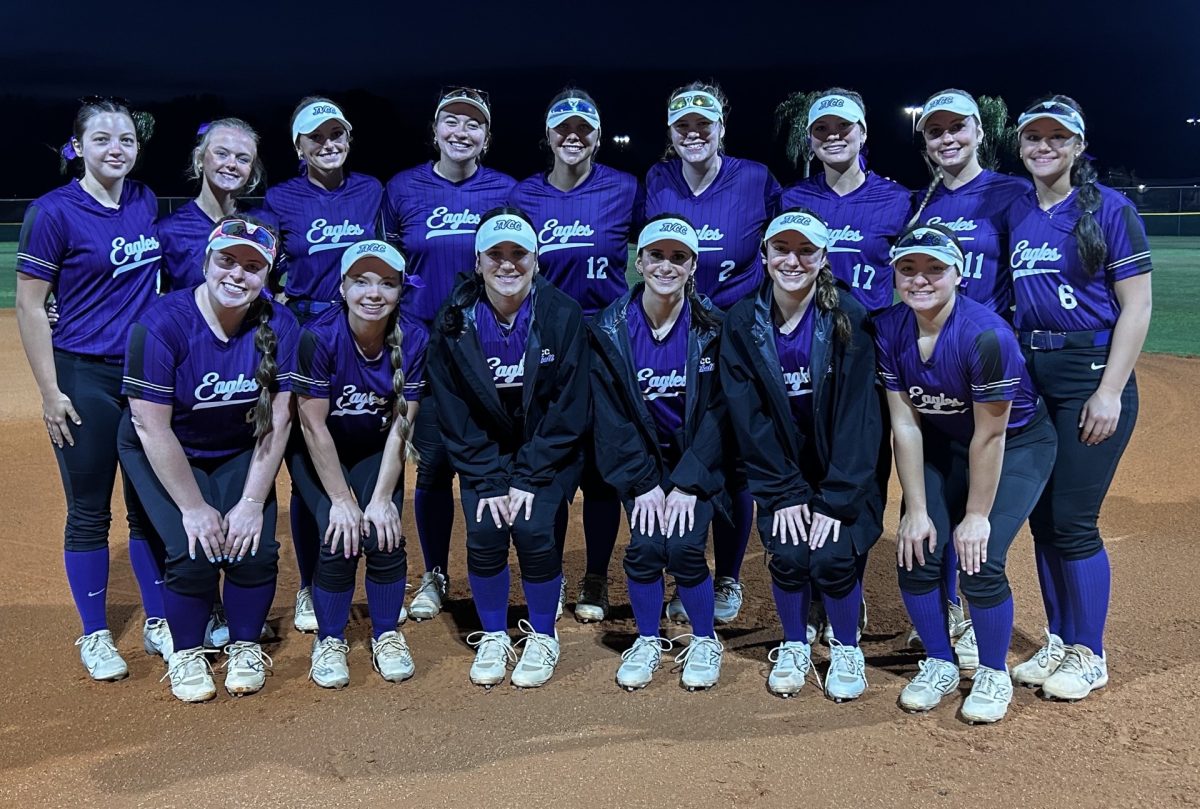
At Illinois Valley Community College, most athletes prepare for one season at a time, dedicating themselves to a single sport along with schoolwork. Lauren Harbison and Kaitlyn Anderson move at a different pace.
As soon as volleyball ends, they transition from one uniform to another, balancing daily practices, game travel, and the pressure to stay ahead in the classroom.
After beginning softball at age 4 and adding volleyball in elementary school, they continued both at the college level. As two-sport athletes, they balance back-to-back seasons with the academic demands of college life. At a time when many athletes specialize early, their experience highlights the pressure, discipline and time management required to sustain two sports in college.
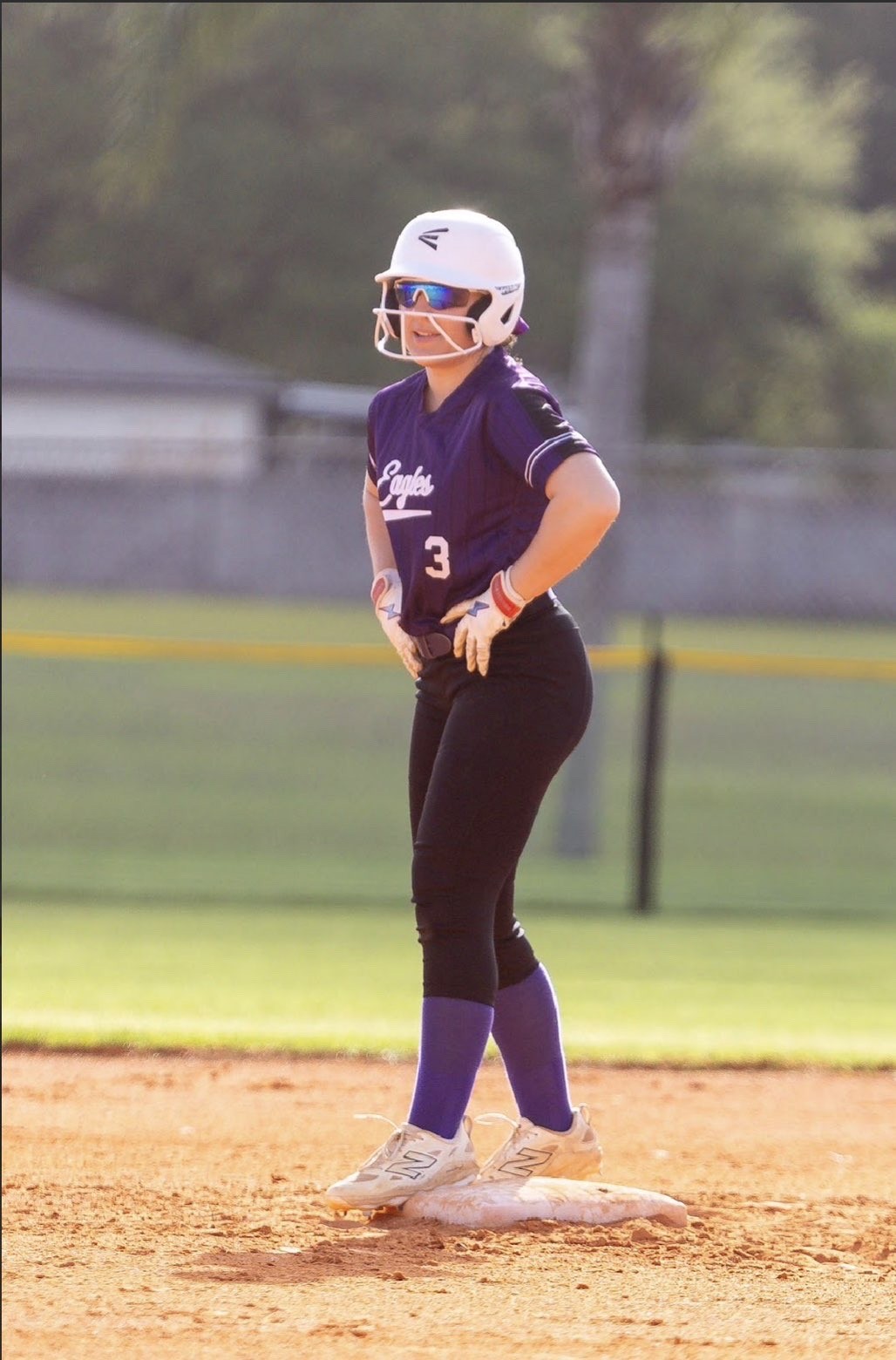
Harbison’s biggest test came at 17 while pitching at Henry-Senachwine High School in Henry, Illinois, home to the Mallards. She developed elbow bursitis from repeatedly hitting her elbow on her hip every time she pitched and was unable to pitch for several games. The swelling and bruising were visible, and every throw came with fear. Now she is a pitcher at Illinois Valley Community College; she has had no injuries during her time with the program, with no fears.
“While I was hitting my elbow, I really thought it was over,” she said. She worried about damaging her future and wrapped her elbow heavily in each game when she returned. Still, she never considered quitting. “It never stopped me from wanting to be the best,” she said, crediting her coaches who kept pushing her forward and her dream of playing in college.
For Harbison, softball is more than a sport.
“It helps me not be mentally weak,” she said. “It pushes me through. It keeps me going.” Although she loves volleyball, she said softball brings out the best version of her.
Anderson also faced setbacks. She suffered two concussions while playing basketball in high school, a sport she does not play at IVCC. The injuries did not change her desire to continue volleyball and softball.
“I enjoy the team environment,” she said. “I’m a very social person, so making new friends is something I love to do.”
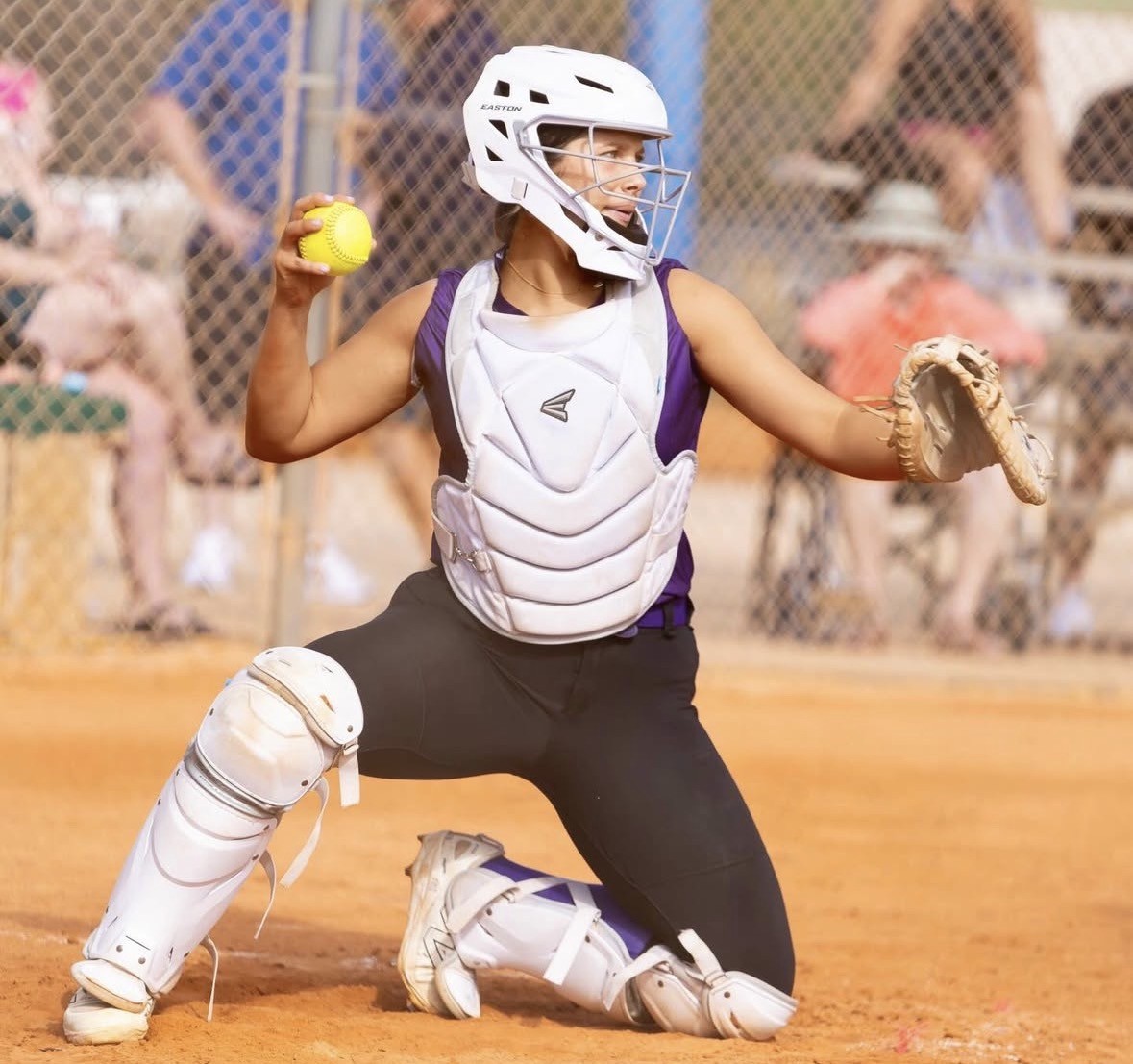
Anderson once considered focusing solely on softball. But after receiving a volleyball offer and encouragement from Harbison, she decided to continue competing in both. Anderson is now a catcher for the IVCC softball team; she plays an important role behind the plate, working closely with pitchers and leading the defense. “I have a passion for them both,” she said.
Balancing academics with two sports is one of the biggest challenges. Harbison described “crunch time” moments when games run long, and homework waits on the bus to ride home. Her schedule often includes classes, practice, the gym, and then late-night studying.
“I know it’s hard to put a student in front of the athlete,” Harbison said, “but you can’t be an athlete on the bench with bad grades. So, stay disciplined and work hard and focus on your next steps, not just in the moment.”
Anderson said time management is essential. She often completes homework on the bus after games and plans ahead to avoid falling behind.
Despite moving between two competitive environments, neither athlete struggled with the transition from volleyball to softball. Both said it comes naturally after years of playing.
The benefits they agree with go beyond the scoreboard. Sports keep them active, introduce them to new teammates, and give them something to focus on outside the classroom. When asked what life would look like without sports, neither could imagine it.
Looking ahead, both hope to continue playing softball at a four-year school in Illinois. For now, they remain focused on representing IVCC, proving that dedication does not have to be limited to just one uniform.